30 Interior Design Styles Explained (With AI Examples)
Explore 30 interior design styles, from modern and minimalist to Japandi, Scandinavian, industrial, coastal, boho, and traditional, with AI prompts.
By AI Room Design Editorial Team
Interior design styles are useful when they give you a shared language for a room. “Modern,” “cozy,” “minimalist,” or “coastal” can help you begin, but a style label is not a finished brief. It needs to become a set of choices about proportion, materials, color, lighting, furniture, storage, and how people live in the space.
AI makes that exploration faster. You can upload a real room and compare several styles without repainting the wall or buying new furniture. The best results come from asking the AI to preserve the architecture and change the visual language, not from allowing it to invent a new room for every style.
Start with AI Room Design for photo-based comparisons. If the style experiment changes furniture placement, check the result in an AI room planner. For room-specific examples, browse AI bedroom design, living room design AI, AI kitchen design, and bathroom design AI.
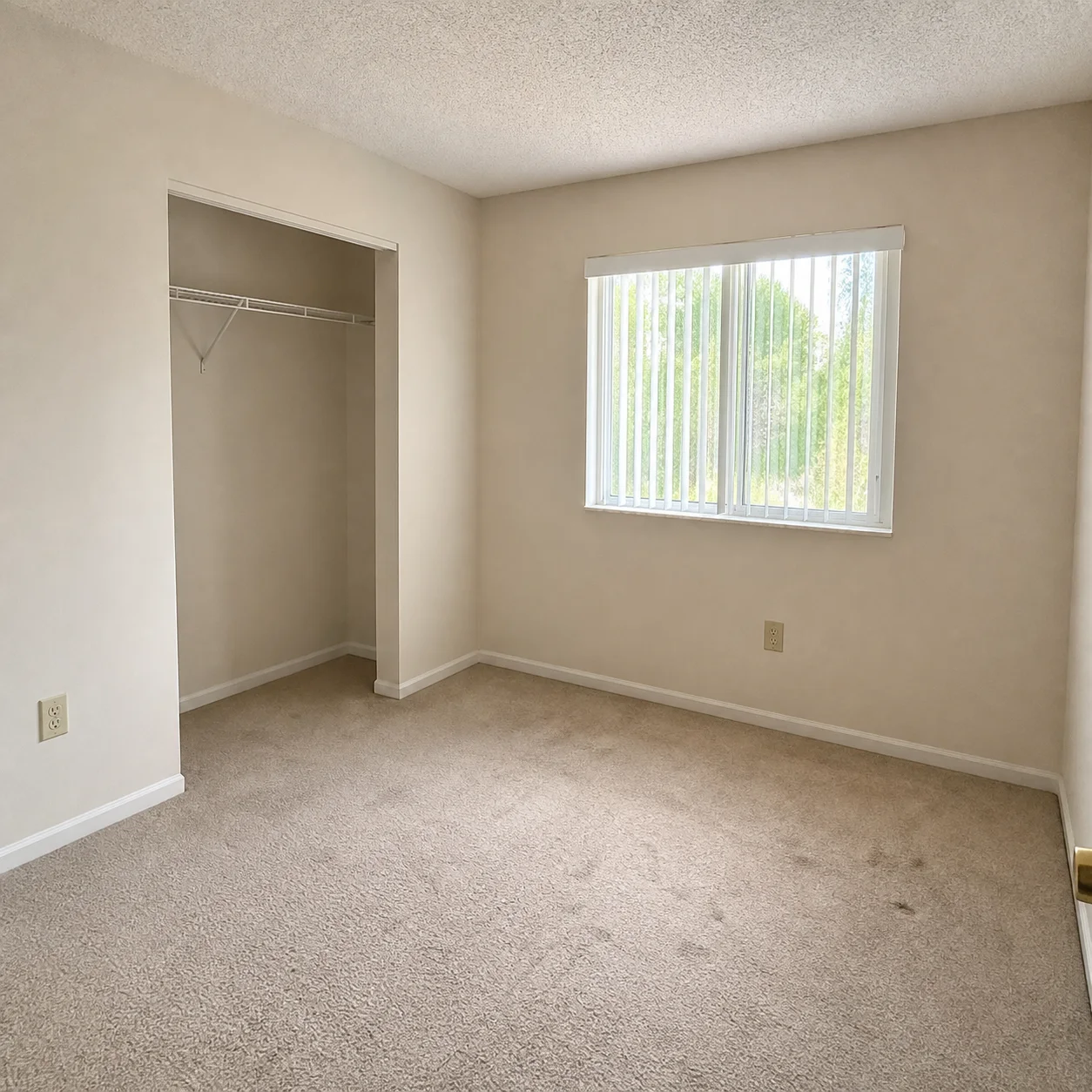
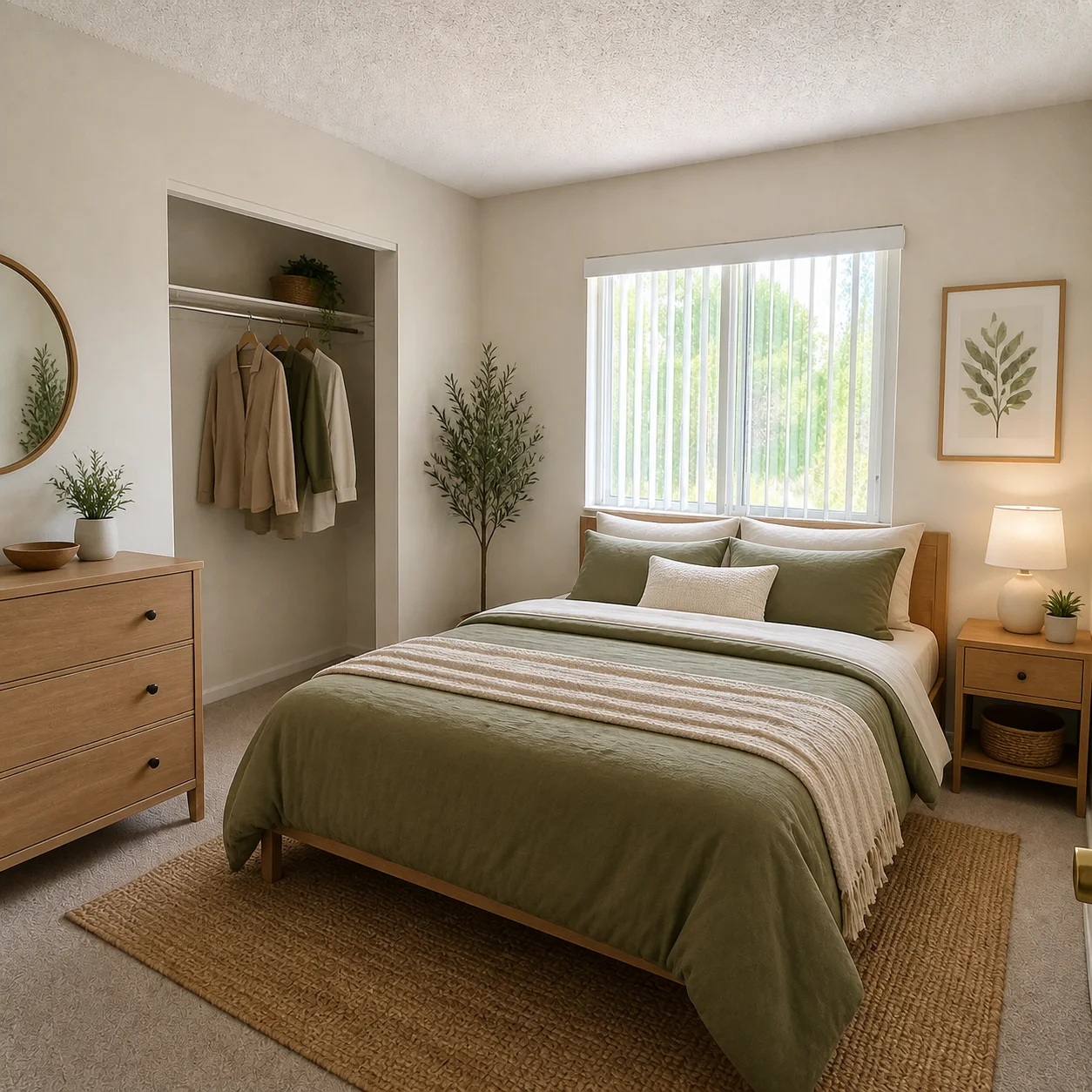
The visual pair is an example of style exploration, not a claim that a generated room is a buildable specification.
How to Use Interior Design Styles
Use a style as a starting hypothesis. Then translate it into five concrete decisions:
- Palette: Which base, accent, and contrast colors should appear?
- Materials: Which surfaces carry the identity: wood, stone, plaster, metal, tile, linen, or leather?
- Furniture: Which silhouettes and proportions fit the room and its users?
- Light: Should the room feel bright, dim, directional, diffuse, warm, or cool?
- Editing: What should be removed, concealed, repeated, or left open?
For example, “Japandi” could become warm oak, a putty wall, paper-like lighting, low visual clutter, and a simple storage system. “Industrial” could become a restrained concrete tone, black metal, exposed texture, and practical task lighting. The concrete choices make the style useful and prevent the AI from relying on stereotypes.
30 Interior Design Styles at a Glance
| Style | Visual direction | Useful starting materials | Watch for |
|---|---|---|---|
| Modern | Clean lines and controlled contrast | Wood, stone, metal | Can feel cold if texture is missing |
| Minimalist | Fewer, intentional elements | Plaster, wood, wool | Storage must remain practical |
| Japandi | Quiet, warm, natural, restrained | Oak, linen, paper-like light | Avoid turning it into an empty room |
| Scandinavian | Bright, functional, comfortable | Light wood, wool, painted surfaces | Keep warmth in the palette |
| Industrial | Honest texture and utilitarian detail | Metal, brick, concrete | Avoid adding fake roughness everywhere |
| Boho | Layered, personal, collected | Rattan, textiles, plants | Control visual clutter |
| Farmhouse | Familiar, relaxed, practical | Painted wood, stone, linen | Avoid overly staged rustic decor |
| Coastal | Light, breezy, natural | Pale wood, linen, woven texture | Do not rely on nautical props |
| Luxury | Proportion, material, and light | Stone, walnut, metal, velvet | Luxury is not more decoration |
| Traditional | Balanced, detailed, enduring | Wood, patterned textile, brass | Respect the home's architecture |
| Contemporary | Current forms with flexibility | Mixed wood, stone, fabric | Trends can date quickly |
| Mid-century modern | Tapered forms and graphic simplicity | Walnut, molded wood, wool | Use authentic proportions, not props |
| Art Deco | Geometry, contrast, glamour | Marble, brass, lacquer, velvet | Keep pattern scale coherent |
| Modern farmhouse | Clean comfort and familiar texture | Oak, painted cabinets, cotton | Avoid generic signs and clutter |
| Mediterranean | Sun-washed texture and relaxed form | Terracotta, plaster, wood | Climate and daylight influence the result |
| Spanish revival | Warm material and architectural detail | Tile, plaster, dark wood | Do not invent arches the room lacks |
| French country | Soft irregularity and lived-in elegance | Limewash, linen, aged wood | Balance patina with maintenance |
| English cottage | Layered pattern and intimate comfort | Painted wood, floral textile | Repetition needs editing |
| Modern rustic | Natural material with simple geometry | Stone, timber, wool | Scale the heavy materials carefully |
| Wabi-sabi | Imperfection, quietness, and patina | Clay, raw wood, linen | Avoid manufacturing fake imperfection |
| Maximalist | Rich color, pattern, and collection | Wallpaper, art, layered textile | Create a visual hierarchy |
| Eclectic | Personal mix with a connecting thread | Mixed eras and materials | Repeat color or proportion |
| Japandi minimal | Even more edited and quiet | Pale wood, plaster, woven textile | Warm it with texture and light |
| Organic modern | Soft forms and natural palette | Travertine, oak, boucle, plaster | Avoid making every item rounded |
| Biophilic | Nature, daylight, and living materials | Plants, wood, stone, natural textile | Plants need real light and care |
| Urban modern | Compact function with city energy | Metal, glass, wood, concrete | Protect calm and storage |
| Retro | Period color and playful forms | Colored laminate, chrome, pattern | Choose a clear decade reference |
| Monochrome | One color family with tonal depth | Paint, textile, stone, metal | Texture must prevent flatness |
| Sustainable natural | Durable, repairable, low-impact choices | Reclaimed wood, cork, linen | Verify material claims |
| Soft industrial | Utility softened by textile and warm light | Metal, wood, wool, plaster | Keep the structure honest |
1. Modern
Modern interiors use clear geometry, controlled contrast, and a limited material set. Ask AI to show the relationship between large surfaces before adding accessories. A modern room becomes more convincing when the sofa depth, table height, storage line, and lighting are proportionate.
2. Minimalist
Minimalism is editing with purpose. It can be warm, colorful, and comfortable when storage is resolved and materials have texture. Ask the model to keep necessary objects while reducing visual noise. “Remove everything” is not a design brief.
3. Japandi
Japandi combines the calm of restrained forms with the warmth of natural material. Try warm wood, soft neutral paint, linen, low-glare lighting, and one dark accent. Preserve the room's real light and ask for practical storage.
4. Scandinavian
Scandinavian rooms often use light surfaces, simple furniture, and comfortable textiles. Test pale walls with one warm wood tone and a muted accent. In a dark room, ask for layered lighting so the result does not depend on impossible daylight.
5. Industrial
Industrial style can use metal, concrete, brick, utility lighting, and exposed detail. It works best when the material has a reason. Ask AI to preserve real architectural texture rather than inventing brick on every wall.
6. Boho
Boho interiors are layered, personal, and relaxed. Use textiles, plants, woven materials, art, and collected furniture. Set a visual hierarchy so the room feels abundant without becoming difficult to clean or navigate.
7. Farmhouse
Farmhouse design often balances painted wood, practical furniture, familiar textiles, and a comfortable palette. Use the architectural character of the home as the anchor. Avoid relying on decorative signs or repeated rustic props.
8. Coastal
Coastal style is more than blue-and-white stripes. Use daylight, pale wood, linen, soft texture, and an open visual field. Ask for a relaxed palette without nautical objects unless they are genuinely part of your home.
9. Luxury
Luxury comes from proportion, material quality, and light. Ask for fewer, better-scaled pieces, a coherent metal finish, and a quiet background. Then verify that the materials and furniture direction match the real budget and maintenance level.
10. Traditional
Traditional interiors use balance, detail, pattern, and a sense of continuity. AI can help compare wallpapers, wood tones, trim colors, and upholstery. Preserve the home's actual architecture and do not add moldings or paneling that do not exist without stating that they are hypothetical.
11. Contemporary
Contemporary style is flexible and current rather than tied to one historical period. It can combine simple cabinetry, mixed wood, stone, and comfortable upholstery. Ask for a restrained palette so the room does not become a collage of trends.
12. Mid-Century Modern
Mid-century modern often uses tapered legs, walnut, graphic forms, and low furniture. Use the furniture proportion and warm wood as the main reference. Avoid making the room look like a museum set with too many period objects.
13. Art Deco
Art Deco uses geometry, contrast, reflective surfaces, and a sense of ceremony. Ask AI to control pattern scale and choose one or two high-contrast moments. Marble, brass, lacquer, and velvet should support the geometry rather than compete with it.
14. Modern Farmhouse
Modern farmhouse combines familiar texture with cleaner lines and less visual ornament. Try oak, painted cabinetry, cotton or linen, simple lighting, and a warm neutral palette. Keep the room personal and avoid generic text-based decor.
15. Mediterranean
Mediterranean interiors use sun-washed color, plaster texture, natural wood, and relaxed forms. Daylight is essential to the mood, so explain the room's actual light direction. Use terracotta and woven texture with restraint.
16. Spanish Revival
Spanish revival often draws on tile, plaster, dark wood, warm metal, and architectural detail. AI may invent arches or beams, so state whether those features are existing or proposed. Test the pattern and material before adding decoration.
17. French Country
French country balances softness, patina, natural texture, and informal elegance. Use limewash-like walls, linen, aged wood, and an edited pattern mix. Ask for lived-in warmth rather than artificial distressing on every surface.
18. English Cottage
English cottage style is intimate and layered, with pattern, painted wood, comfortable seating, and personal objects. Choose a connecting thread such as a repeated green, floral scale, or wood tone so the room feels collected rather than random.
19. Modern Rustic
Modern rustic uses natural materials with simpler geometry. Combine stone, timber, wool, and warm light, but balance heavy surfaces with open space. In a small room, ask AI to use one rustic focal point rather than covering every surface.
20. Wabi-Sabi
Wabi-sabi values imperfection, simplicity, patina, and the beauty of ordinary materials. Use clay, linen, raw wood, and quiet light. Avoid asking the model to manufacture random damage; focus on honest texture and fewer objects.
21. Maximalist
Maximalism uses color, pattern, art, and collection confidently. It still needs hierarchy. Ask AI to choose one dominant pattern, a supporting color family, and a visual rest zone so the room remains readable.
22. Eclectic
Eclectic rooms mix eras and references through a connecting thread. Repeat color, scale, material, or shape across the room. AI is helpful for testing a combination, but you should decide which elements are intentional and which are noise.
23. Japandi Minimal
This is a more edited interpretation of Japandi. Use pale wood, plaster-like surfaces, woven texture, and low visual contrast. Keep enough lighting, storage, and furniture for actual use; quiet does not mean empty.
24. Organic Modern
Organic modern rooms combine softened forms with natural materials and restrained color. Try oak, travertine or a stone look, plaster texture, and one rounded furniture piece. Avoid rounding every object and losing useful geometry.
25. Biophilic
Biophilic interiors connect people with daylight, plants, natural material, and views. AI can show a greener palette and plant placement, but it cannot know whether the light, humidity, pets, or maintenance schedule support a real plant.
26. Urban Modern
Urban modern design is compact, flexible, and often shaped by limited space. Use integrated storage, durable materials, and adaptable furniture. Ask AI to protect a clear path and create one calm zone rather than filling every wall.
27. Retro
Retro style uses a clear period reference, playful color, and recognizable forms. Choose a decade or palette and avoid mixing too many eras in the first experiment. Real materials and modern comfort can coexist with a period-inspired visual language.
28. Monochrome
Monochrome design stays within one color family while using tone, texture, and light for depth. Ask the model to vary matte and reflective surfaces carefully. Without texture, a monochrome room can look flat.
29. Sustainable Natural
Sustainable natural design emphasizes durability, repairability, low-impact materials, and a long life rather than a single trend. Ask AI to show reclaimed wood, cork, natural textile, or repairable furniture where relevant, then verify any environmental claim with real product information.
30. Soft Industrial
Soft industrial keeps utility and structure but adds warmer wood, textiles, plants, and gentler light. It is a useful compromise for apartments that have concrete, metal, or brick details but need to feel comfortable rather than harsh.
How to Compare Styles with AI
Use one room, one camera viewpoint, and one fixed layout. Change only the style direction first. Keep the same constraints in every prompt. Then compare the images using a scorecard:
| Question | Score from 1–5 |
|---|---|
| Does the style fit the room's architecture? | |
| Does the palette work with existing surfaces? | |
| Does the furniture support actual use? | |
| Is the amount of pattern manageable? | |
| Does the lighting match real daylight? | |
| Can the idea be maintained at the intended level? | |
| Can it be achieved within the likely budget? |
The scorecard prevents a dramatic style from winning only because it is more novel. It also makes it easier to mix styles intentionally. You might prefer the palette of Scandinavian, the material of Japandi, and the furniture proportion of mid-century modern. That is a valid direction if you can explain the connecting thread.
An AI Style Prompt Template
Redesign this existing [room type] from the same viewpoint. Preserve the walls, windows, doors, floor, fixed furniture, ceiling height, and room proportions. Apply a [style] direction using [base palette], [accent palette], [three materials], and [lighting mood]. Keep realistic furniture scale, practical storage, clear paths, and the room's actual function. Show the style through proportion, texture, color, and light rather than decorative stereotypes. No invented architecture, people, text, or logos.
Use the same template for several styles. That creates a fair comparison and makes the changed variable visible.
Combining Styles Without Losing Coherence
Style mixing works when one element leads and the others support it. Choose a dominant style, a secondary influence, and a shared palette or material. For example: “modern base, Japandi material warmth, muted olive accent.” Avoid stacking five labels without explaining what each contributes.
Read 100 AI Interior Design Prompts for more room-specific prompt structures. Read AI Room Design From Photo if your first step is redesigning a real image.
Related Tools
Use AI Interior Design Generator for text-led style exploration, AI Room Design for a real-room comparison, AI Room Makeover for a lighter refresh, and AI Room Visualizer for visual option testing. For room-specific style work, use AI Bedroom Design, Living Room Design AI, and Bathroom Design AI.
FAQ
What are the most popular interior design styles?
Modern, minimalist, Japandi, Scandinavian, industrial, coastal, boho, farmhouse, luxury, and traditional are common starting points. Popularity is less important than whether the style fits your room, budget, maintenance, and daily life.
What is the difference between modern and contemporary design?
Modern often refers to a clearer design movement and its emphasis on clean lines and function. Contemporary means current and can change over time. In practice, people use the terms loosely, so describe the actual materials, colors, and proportions you want.
How do I choose an interior design style?
Start with rooms and objects you already like, then identify repeated colors, materials, forms, and light. Test two or three directions in the same room with the same layout. Choose the style that fits both your taste and your practical conditions.
Can AI apply a style to my existing room?
Yes. Upload a clear photo, state what must remain, and ask for one style direction at a time. Check that windows, doors, floor, furniture scale, and circulation remain accurate enough for the decision.
Can I combine Japandi and Scandinavian design?
Yes. Both can support natural materials, light palettes, and functional simplicity. Use one as the dominant language and the other as a supporting influence, then keep a consistent palette and material scale.
Which style is best for a small room?
There is no universal answer. Light, restrained palettes and realistic furniture can make many styles work. Storage, circulation, and scale matter more than the label. Use an AI planner when space is tight.
Are AI style examples realistic?
They can be visually plausible but may change architecture, scale, material behavior, or product availability. Use them to compare atmosphere and direction, then verify the practical and technical details.
A Style Is a Design System, Not a Shopping List
Once you choose a direction, write a one-page style system:
- Dominant palette and one accent.
- Primary wood, stone, or plaster direction.
- Metal finish and where it repeats.
- Furniture proportion and visual weight.
- Lighting mood and fixture language.
- Amount of pattern and visual rest.
- Storage and maintenance principles.
This keeps the style coherent when you move from an AI image to real products. It also stops the project from becoming a collection of individually attractive purchases. If a new chair does not fit the material, proportion, or maintenance system, it may not belong even if it looks good on its own.
Use AI again after you have real candidate materials. Replace the generic “stone” or “oak” in the prompt with the actual product family or sample description, while remembering that the output is still an approximation. Compare the sample under the room's real light and against the surfaces that will remain.
How Style Changes with Light and Scale
The same style can feel different in a north-facing room, a bright apartment, a low-ceiling room, or a narrow hallway. Large patterns may overwhelm a small wall; tiny patterns may disappear in a large room. Dark materials can be grounding in a bright space and heavy in a dim one.
Ask AI to show the same style at eye level, in daylight, and in the evening. Then check the scale of the furniture and material pattern in the measured room. If the mood only works from a dramatic camera angle, it may not survive daily use.
Final Takeaway
Choosing a Style That Can Evolve
Permanent surfaces, large furniture, and lighting deserve a calmer style decision than accessories. Use AI to test the big direction, but leave room for art, textiles, and small objects to change over time. A style that depends on every accessory being replaced at once is harder to maintain and less forgiving when real life changes.
Ask whether the style supports your existing home. A period property may benefit from preserving its proportions. A rental may need reversible layers. A compact apartment may need storage-first minimalism. A family home may need durable materials. The style label is only useful when it respects those conditions.
Interior design styles are not boxes you have to choose forever. They are useful tools for organizing decisions about color, material, proportion, lighting, and editing. Use AI to test one style at a time on the same real room, preserve the architecture, and judge each option for function as well as beauty. Once you can explain why a style works, turn the image into a measured plan, a material shortlist, and a design you can actually live with.